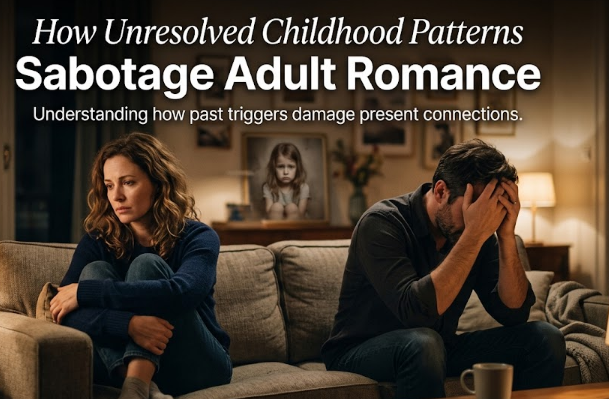
Ever wondered why some relationships feel like a rollercoaster you didn’t sign up for? One moment everything is warm, safe, and excitingand the next, you’re confused, hurt, or pulling away for reasons you can’t fully explain. It’s not always about the person you’re with. Often, it’s about the patterns you carry.
Unresolved childhood experiences don’t just stay in the past. They quietly shape how you love, trust, argue, and even how you choose your partner. The tricky part? Most of us don’t even realize it’s happening.
Let’s break it down in a real, relatable way.
What Are Childhood Patterns, Really?
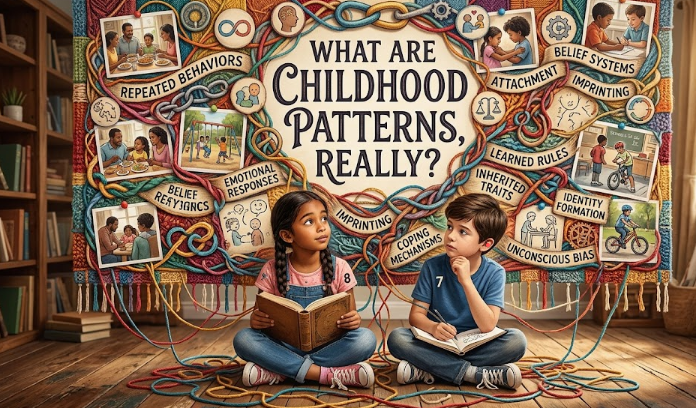
Childhood patterns are emotional habits you learned growing uphow you reacted to love, conflict, attention, or neglect. These patterns form your “emotional blueprint” for relationships.
For example, if you grew up in a home where affection was rare, you might crave constant reassurance as an adult. Or if love felt unpredictable, you might struggle to trust even the most loyal partner.
These patterns aren’t your faultbut ignoring them can quietly sabotage your love life.
Why Your Brain Holds Onto Old Patterns
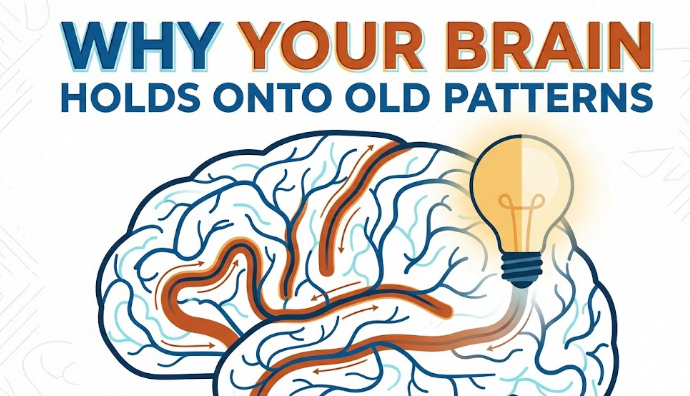
Your brain is wired for survival, not romance. As a child, you adapted to your environment to feel safe. Those coping strategies worked back thenbut they don’t always work in adult relationships.
Think of it like this: your mind is running old software in a new system.
Even when you’re with someone healthy, your brain may still expect rejection, conflict, or abandonment. So you react earlysometimes too early.
Common Childhood Patterns That Show Up in Adult Love
Let’s get into the real stuff. Here are some of the most common patterns that quietly disrupt relationships:
1. Fear of Abandonment
If you felt emotionally or physically abandoned as a child, you may constantly worry your partner will leave.
This can show up as:
- Overthinking texts
- Needing constant reassurance
- Feeling anxious when your partner needs space
Ironically, this fear can push people awaythe very thing you’re trying to avoid.
2. Avoidant Behavior
Some people learned early on that emotions weren’t safe. Maybe feelings were ignored or punished.
As adults, this can look like:
- Avoiding deep conversations
- Pulling away when things get serious
- Struggling to express emotions
You might want lovebut also feel uncomfortable when it gets rea
3. People-Pleasing Tendencies
If love was conditional growing up, you may have learned to earn it by being perfect.”
In relationships, this shows up as:
- Saying yes when you mean no
- Ignoring your own needs
- Fear of conflict at all costs
At first, it seems like you’re being lovingbut over time, it creates resentment and imbalance.
4. Low Self-Worth
When you didn’t feel valued as a child, it can carry into adulthood.
Signs include:
- Settling for less than you deserve
- Accepting unhealthy behavior
- Constant self-doubt in relationships
You may even sabotage good relationships because deep down, you don’t feel worthy of them.
5. Emotional Reactivity
If your childhood environment was chaotic or unpredictable, your emotional responses may be heightened.
This can look like:
- Overreacting to small issues
- Difficulty calming down during arguments
- Taking things personally
It’s not about being “too sensitiveit’s about your nervous system being on high alert.
Quick Overview Table: Childhood Patterns vs Adult Relationship Impact
| Childhood Experience | Adult Behavior | Impact on Relationships |
| Emotional neglect | Craving validation | Clinginess, insecurity |
| Strict/critical parenting | Perfectionism | Fear of failure, anxiety |
| Unpredictable home | Emotional reactivity | Frequent conflicts |
| Conditional love | People-pleasing | Loss of identity, resentment |
| Lack of affection | Avoidance of intimacy | Emotional distance |
Why You Keep Attracting the Same Type of Partner
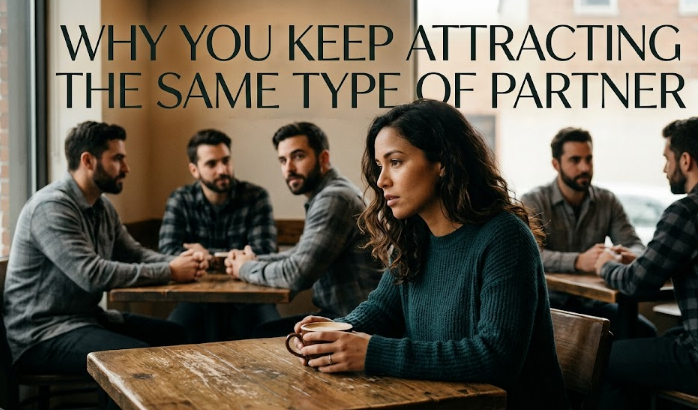
Ever feel like you’re dating the same person in different bodies? That’s not bad luckit’s familiarity.
Your brain is drawn to what feels “normal,” even if it’s unhealthy.
For example:
- If chaos feels familiar, calm relationships may feel boring
- If you had to chase love, you may be attracted to emotionally unavailable people
It’s not that you want painit’s that your brain mistakes familiarity for safety.
The Silent Ways These Patterns Sabotage Love
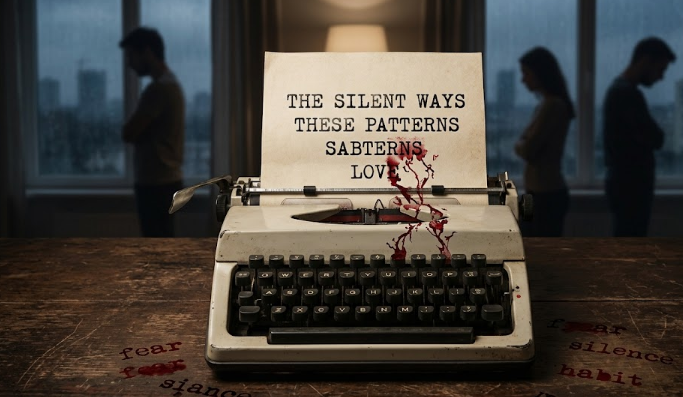
Not all damage is loud or dramatic. Sometimes it’s subtle.
You might:
- Pick fights when things feel “too good”
- Withdraw when your partner gets close
- Test your partner without realizing it
- Expect them to “fix” your emotional wounds
These behaviors slowly erode trust and connection.
The Role of Attachment Styles
Attachment theory explains a lot about relationship behavior. Your attachment style is shaped in childhood and influences how you connect with others.
Here’s a simple breakdown:
- Secure Attachment: Comfortable with love and independence
- Anxious Attachment: Fear of abandonment, needs reassurance
- Avoidant Attachment: Fear of closeness, values independence too much
- Disorganized Attachment: Mix of anxious and avoidant behaviors
Most relationship struggles come from mismatched or insecure attachment styles.
Can You Change These Patterns? Absolutely.
Here’s the good news: you’re not stuck this way.
Awareness is the first step. Once you recognize your patterns, you can start to shift them.
It’s not about blaming your pastit’s about understanding it.
Practical Ways to Break the Cycle
Let’s keep it realhealing doesn’t happen overnight. But small, consistent steps make a huge difference.
1. Notice Your Triggers
Start paying attention to what sets you off.
Ask yourself:
- “Why did that upset me so much?”
- “Is this about nowor something older?”
Awareness creates choice.
2. Communicate Honestly
Instead of reacting, try expressing what you feel.
For example:
- Instead of: “You don’t care about me!”
- Try: “I feel insecure when I don’t hear from you.”
It changes everything.
3. Set Healthy Boundaries
Boundaries aren’t selfishthey’re necessary.
Learn to:
- Say no without guilt
- Protect your emotional space
- Express your needs clearly
4. Reparent Yourself
Give yourself what you didn’t receive as a child:
- Validation
- Comfort
- Encouragement
This builds inner security over time.
5. Consider Therapy or Coaching
Sometimes, you need help unpacking deep-rooted patterns.
A good therapist can help you:
- Understand your triggers
- Develop healthier responses
- Build secure attachment habits
What Healthy Love Actually Feels Like
If you grew up in chaos, healthy love might feel unfamiliareven uncomfortable at first.
But real love is:
- Calm, not confusing
- Supportive, not draining
- Consistent, not unpredictable
It doesn’t trigger your anxietyit soothes it.
Read More: Why Daily Gratitude Rituals Build Unbreakable Partnerships
Final Thoughts: Your Past Doesn’t Define Your Future
Your childhood shaped youbut it doesn’t have to control you.
Once you start recognizing your patterns, you stop reacting automatically. You start choosing differently. And that’s where everything changes.
Love doesn’t have to feel like a struggle. It can feel safe, steady, and real.
The key is doing the inner workso your past stops writing your love story.