
Let’s be honestrelationships aren’t always candlelight dinners and cute selfies. Real partnerships go through stress, misunderstandings, busy schedules, and sometimes plain emotional distance. But here’s something surprisingly simple that can quietly transform everything: daily gratitude rituals.
It sounds almost too easy, right? Just saying “thank you” more often? But when done intentionally, gratitude isn’t just politenessit becomes a powerful habit that strengthens emotional bonds, builds trust, and creates a partnership that can actually withstand life’s messier moments.
Let’s break this down in a way that feels real, practical, and actually useful for everyday life.z
What Are Daily Gratitude Rituals, Really?

Before we go any further, let’s clear up what we mean by “gratitude rituals.” This isn’t about forced compliments or fake positivity. It’s about consistently acknowledging and appreciating your partner, even for small things.
Think of it like this:
- Saying “I appreciate you making time for me today”
- Noticing effort: “Thanks for handling that situationit meant a lot”
- Ending the day with one thing you’re grateful for about each other
It’s not about grand gestures. It’s about small, repeated moments of appreciation that slowly reshape how you see each other.
Why Gratitude Works Better Than You Think
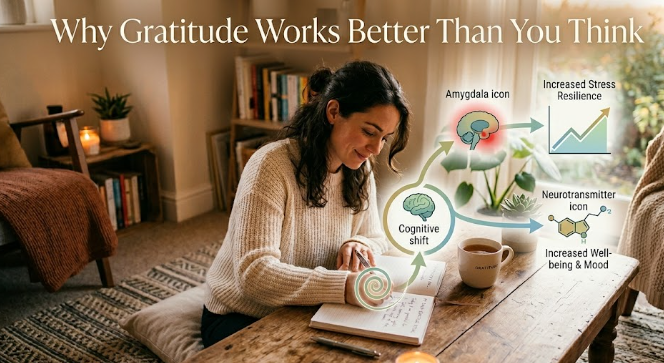
Here’s where things get interesting. Gratitude isn’t just emotionalit’s psychological.
When you express appreciation:
- Your brain releases dopamine and serotonin (the “feel-good” chemicals)
- Your partner feels valued and seen
- You both start focusing more on what’s working instead of what’s missing
Over time, this creates a positive feedback loop. The more you appreciate, the more there is to appreciate.
And let’s be realmost relationships don’t fall apart because of one big issue. They slowly weaken because people stop noticing the good.
Gratitude fixes that.
The Hidden Problem: Taking Each Other for Granted

This is the silent killer of many relationships.
At the beginning, everything feels special:
- You notice every little effort
- You say thank you often
- You feel lucky to have each other
But as time passes, things become “normal.”
Cooking dinner? Expected.
Being supportive? Expected.
Showing up? Expected.
And without realizing it, appreciation disappears.
Daily gratitude rituals act like a reset button. They bring awareness back to the relationship and remind both people: this still matters.
How Daily Gratitude Strengthens Emotional Connection

Let’s talk about connectionnot the surface-level kind, but the deeper emotional bond.
When you regularly express gratitude:
- Your partner feels emotionally safe
- Communication becomes softer and more open
- Conflicts become easier to resolve
Why? Because appreciation builds emotional security.
If someone feels valued, they’re less defensive. Less reactive. More willing to listen.
It’s like creating a relationship environment where both people can breathe.
Small Rituals That Make a Big Difference

You don’t need anything complicated. In fact, the simpler, the better.
Here are some easy gratitude rituals you can actually stick to:
1. The 2-Minute Night Routine
Before sleeping, share one thing you appreciated about each other that day.
That’s it. No speeches. Just one honest sentence.
2. Morning Appreciation Habit
Start your day with something positive:
“Hey, I really admire how hard you’re working.”
It sets the tone for everything that follows.
3. Text-Based Gratitude
Send a quick message during the day:
“Just wanted to say I’m grateful for you.”
Unexpected appreciation hits differently.
4. Weekly Reflection
Once a week, talk about:
- What went well
- What you appreciated
- What you want more of
It keeps the relationship intentional, not automatic.
Quick Comparison: With vs Without Gratitude
Here’s a simple table to show the difference daily gratitude can make:
| Aspect | Without Gratitude | With Daily Gratitude |
| Communication | Reactive, often critical | Calm, positive, supportive |
| Emotional Connection | Weakens over time | Deepens consistently |
| Conflict Resolution | Defensive, blame-focused | Understanding, solution-focused |
| Relationship Satisfaction | Declines slowly | Improves steadily |
| Feeling Valued | Often missing | Strong and consistent |
| Long-Term Stability | Fragile | Resilient and strong |
If you look closely, gratitude doesn’t just “add positivityit changes the entire relationship dynamic.
The Science Behind It (Without the Boring Part)
You don’t need a psychology degree to understand this, but it helps to know there’s real science backing it.
Studies show that couples who express gratitude regularly:
- Feel more connected
- Experience less conflict
- Have higher relationship satisfaction
Gratitude shifts your mindset from:
“What am I not getting?”
to
“What am I already receiving?”
And that shift is huge.
Why Gratitude Makes Conflicts Easier (Not Disappear)

Let’s be cleargratitude doesn’t magically eliminate arguments.
You’ll still disagree. You’ll still get annoyed. That’s normal.
But here’s the difference:
In a gratitude-based relationship:
- You argue without attacking
- You listen without shutting down
- You resolve instead of “win”
Because deep down, both of you feel respected.
It’s not about avoiding problemsit’s about handling them better.
Real-Life Example (Because Theory Isn’t Enough)

Imagine two couples:
Couple A
- Rarely express appreciation
- Focus on mistakes
- Say things like “You never do this” or “You always forget”
Couple B
- Regularly express gratitude
- Acknowledge effort
- Say things like “I appreciate what you did” even during tough times
Now ask yourselfwho is more likely to last long-term?
It’s not about perfection. It’s about perspective.
Common Mistakes People Make With Gratitude
Let’s not pretend it’s always done right. Here are some mistakes to avoid:
1. Being Generic
Saying “thanks for everything” doesn’t hit the same as:
“Thanks for staying patient with me today.”
Specific meaningful.
2. Being Inconsistent
Doing it once a week won’t change much. It needs to be daily and intentional.
3. Expecting Immediate Results
Gratitude is a long-term habit, not a quick fix.
4. Forcing It
If it feels fake, it won’t work. Keep it real, even if it’s simple.
How to Start (Without Overcomplicating It)
If you’re thinking, “This sounds good, but how do I actually beginkeep it simple.
Start with just one habit:
👉 Every night, say one thing you appreciate.
That’s it.
Don’t add five rituals. Don’t overthink it. Just be consistent.
After a week or two, you’ll notice something:
- Conversations feel lighter
- You feel closer
- Small irritations matter less
That’s the shift happening.
Gratitude Isn’t WeakIt’s Strategic
Some people think appreciation makes you “too soft” in a relationship.
Actually, it’s the opposite.
Gratitude:
- Builds emotional intelligence
- Strengthens communication
- Prevents long-term resentment
It’s not about being overly niceit’s about being intentionally aware.
Strong relationships aren’t built on dominance or control. They’re built on mutual respect and recognition.
The Long-Term Impact of Daily Gratitude
Over time, these small rituals create something powerful:
- A habit of noticing the good
- A culture of appreciation
- A deep emotional bond that doesn’t break easily
This is what makes partnerships “unbreakablenot because problems don’t exist, but because the foundation is strong enough to handle them.
Read More The Art of the “Clean Fight”: How to Argue Without Damaging Your Relationship
Final Thoughts: It’s the Small Things That Win
Here’s the truth most people overlook:
Big romantic gestures are nicebut they’re rare.
Daily gratitude is smallbut it’s constant.
And in relationships, what you do consistently matters more than what you do occasionally.
So if you want a stronger, deeper, more resilient partnership, don’t look for something complicated.
Just start noticing. Start appreciating. Start saying it out loud.
Because sometimes, the simplest habits create the strongest love.