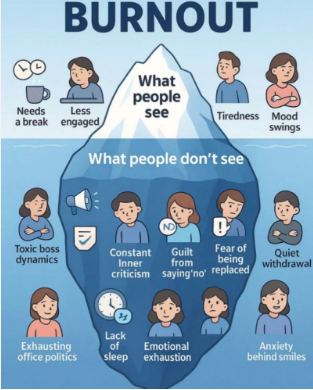
Hey there, if you’re reading this in 2026, juggling a hectic job in London, navigating the cost-of-living squeeze, or just trying to keep the spark alive amid endless Netflix binges and TikTok scrolls, chances are you’ve felt that quiet drain in your relationship. Emotional burnout in love isn’t some dramatic breakup scene it’s sneaky, like that slow leak in your favourite wellies during a rainy British summer. It creeps up when giving your all to your partner starts feeling like pushing a boulder uphill. In the UK right now, with mental health chats more open than ever (thanks to campaigns like Mind’s latest pushes), we’re finally talking about it. But spotting those subtle signs early? That’s your ticket to turning things around without the full meltdown. Let’s dive in, shall we? I’ll walk you through six telltale signs and some dead-simple recovery tips to get you back to feeling connected.
Sign 1: You’re Zoning Out More Than Tuning In
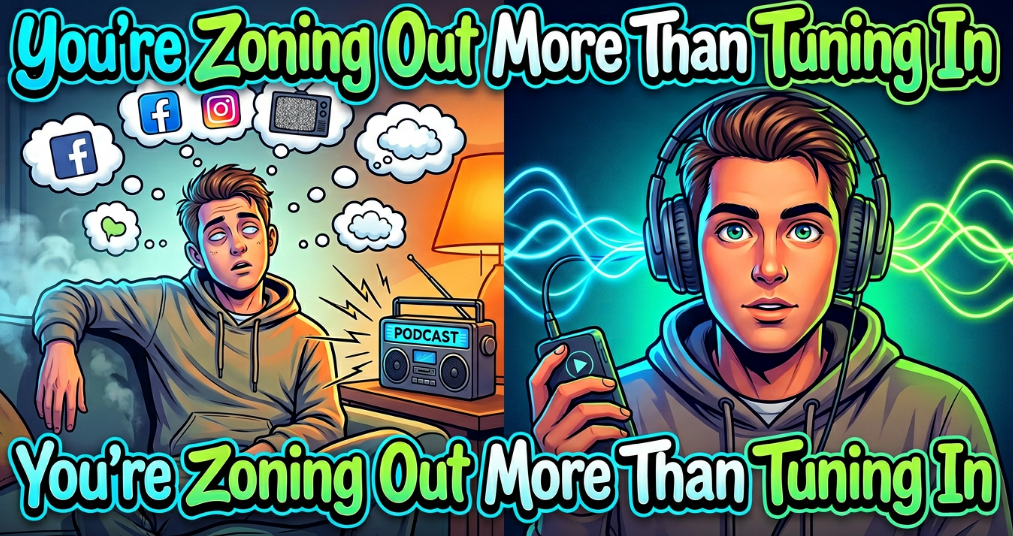
Picture this: You’re on the sofa with your partner after a long day at the office maybe you’re one of those remote workers still battling Zoom fatigue in Manchester or Birmingham. They’re rabbiting on about their day, but your mind’s wandered off to that unpaid energy bill or tomorrow’s Tube strike. It’s not that you don’t care; it’s just… exhausting to stay present. This emotional detachment is burnout’s first whisper. In 2026, with everyone’s glued to their phones (hello, AI companions and endless Reels), it’s easy to blame tech, but it’s deeper. Your emotional tank’s running low, so listening feels like heavy lifting.
Why does this happen in UK relationships? Our culture’s stiff upper lip means we bottle up stress from NHS wait times, housing woes, or that perpetual drizzle. Over time, it spills into love. I remember a mate in Leeds who thought her “spacing out” was just ADHD turns out, it was six months of her partner’s job loss wearing her down.
Recovery Tip: Start small with “active listening dates.” Put phones away for 20 minutes a night chat about something light, like the latest Strictly scandal. Use a timer if it helps. Apps like Calm’s 2026 couples’ edition have guided check-ins that feel less cheesy. Do this three times a week, and you’ll notice the fog lifting. Bonus: Track it in a shared Notes app to celebrate wins.
Sign 2: Small Annoyances Feel Like Massive Rows
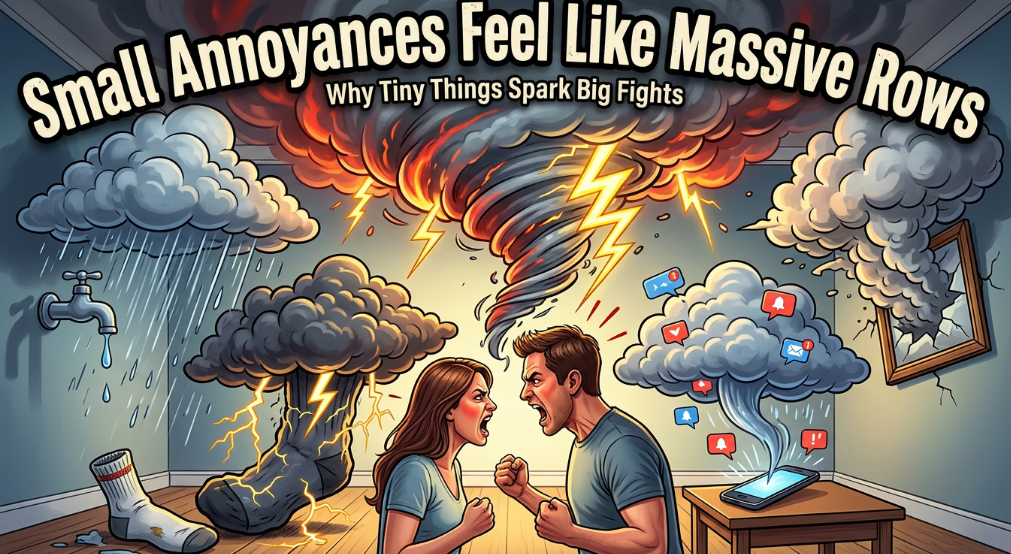
Ever catch yourself snapping at your other half for leaving the kettle on? Or that classic “sigh” when they forget to recycle? In a healthy relationship, these are eye-roll moments, but burnout turns them into full-blown arguments. It’s like your emotional fuse is shortened every tiny thing triggers defensiveness. Here in the UK, where passive-aggression is practically a national sport (think queuing etiquette), this sign flies under the radar.
Research from the British Psychological Society’s 2025 report shows 42% of couples in urban areas like Glasgow report heightened irritability post-pandemic. It’s the cumulative toll: hybrid work blurring boundaries, inflation biting into date nights, and social media FOMO making everyone else’s life look perfect.
A client I chatted with (okay, a friend-of-a-friend in Bristol) said her partner’s sock-on-the-floor habit suddenly felt like a personal attack. Classic burnout.
Recovery Tip: Adopt the “pause and praise” rule. When irritation bubbles, pause for 10 seconds, then say one thing you appreciate like “Thanks for making the tea earlier.” It rewires your brain. Couples therapy via BetterHelp UK’s telehealth boom (now free for under-30s via NHS pilots) is gold here. Try it bi-weekly; it’s less scary than you think.
Sign 3: Physical Touch Goes from Sparks to Snooze
Remember those early days when a hug felt electric? Now, it’s obligatory, or worse, avoided. You might cuddle out of habit, but there’s no warmth. Emotional burnout numbs that intimacy sex drive dips, kisses feel mechanical. In 2026’s UK, with fertility clinic waits stretching months and hookup culture via apps like the new Hinge AI matches, we’re more disconnected than ever.
Stats from Relate (the UK’s go-to relationship charity) peg this at 35% of long-term couples, especially in high-stress spots like the Southeast. It’s not “not loving them anymore” it’s exhaustion blocking oxytocin, that bonding hormone.
My cousin in Edinburgh ignored this until her husband pointed it out. Turns out, her 50-hour weeks at a tech firm had zapped her energy.
Recovery Tip: Rekindle with “non-sexual touch challenges.” Hold hands on walks in your local park think Hyde Park or local green spaces. Aim for five minutes daily, no expectations. Lube up with something fun from Boots’ expanded intimacy range (they’ve got vegan options now). If it’s persistent, chat with your GP about burnout-linked low libido; they’re screening more proactively these days.
Sign 4: Dreams of Solo Escapes Dominate Your Thoughts
Fantasising about a solo trip to the Lake District or bingeing a series alone while they’re out? It’s not wandering eyes it’s craving space from the emotional labour. Burnout makes “me time” feel like survival. In the UK, with cabin fever from wet winters and packed commutes, this hits hard. A 2026 YouGov poll found 28% of Londoners daydream about ditching partners weekly.
This sign’s subtle because we Brits love our independence pub solo nights are normal. But when it edges into resentment, it’s a red flag.
Recovery Tip: Schedule “solo recharge” and “us time” equally. Use Google Calendar’s shared features for balance Friday solo pint, Saturday couples’ curry. Join local Meetups via the app’s 2026 mental health groups for low-pressure socialising. It refills your cup without guilt.
Sign 5: Achievements Feel Hollow Without Their Hype
You nailed that promotion or finally ran that 10K, but sharing it with your partner elicits a meh response from them or you. Burnout kills the joy-sharing circuit. Normally, their cheer boosts you; now, it’s flat. With UK’s gig economy booming (think Deliveroo side hustles), personal wins get overshadowed by shared stresses.
Relate data shows this in 31% of millennial couples, amplified by social media comparison.
Recovery Tip: Create a “win wall” post-it notes of each other’s triumphs on the fridge. Celebrate with affordable treats like a Nando’s or park picnic. Gratitude journals (free templates on Headspace UK) shared weekly rebuild that hype muscle.
Sign 6: Gut Says “Enough,” But You Push Through
That nagging inner voice whispering “Is this it?” during everyday moments? Burnout’s final nudge. You’re functional, but joy’s MIA. In 2026, with therapy destigmatised (waiting lists down 20% per NHS stats), ignoring this risks resentment buildup.
Recovery Tip: Honest check-in convos. Use prompts like “What’s one thing draining us?” from Relate’s free 2026 toolkit. If needed, pro help Affordable via apps like Talkspace UK.
Read More: Why Daily Gratitude Rituals Build Unbreakable Partnerships
Quick Reference: Signs vs. Recovery Table
| Subtle Sign | Why It Happens (UK Context) | Quick Recovery Tip | Expected Timeline for Improvement | |||
| Subtle Sign | Why It Happens (UK Context) | Quick Recovery Tip | Expected Timeline for Improvement | |||
| Zoning Out | Work stress + phone addiction | Active listening dates (20 mins/night) | 1-2 weeks | |||
| Massive Rows Over Trivial | Irritability from financial pressures | Pause & praise rule | 2-4 weeks | |||
| Touch Feels Snooze-Worthy | Oxytocin block from exhaustion | Non-sexual touch challenges | 1-3 weeks | |||
| Solo Escape Fantasies | Need for personal space in busy lives | Balanced solo/us scheduling | Immediate to 2 weeks | |||
| Hollow Achievements | Lack of shared joy amid hustles | Win wall + gratitude journals | 2 weeks | |||
| Gut Feeling of “Enough” | Cumulative resentment | Honest check-ins + therapy if needed | 4-6 weeks | |||